Why Reliable Logistics Is Crucial for Medical & Food Distributors in Saudi Arabia
Welcome to this week’s edition, where we dive into a topic that’s often behind the scenes but absolutely vital: the logistics that keep medical and food distributors running smoothly in Saudi Arabia. Whether you’re in the industry or simply curious about how perishable and sensitive goods travel from suppliers to end users, you’ll find plenty of insights here—and maybe a fresh appreciation for the careful orchestration it takes.
At the heart of this discussion is Rabiyah Logistics Company, a name that’s becoming synonymous with trust and excellence in handling these critical supplies across the region.
The Heart of the Matter: Why Logistics Can Make or Break Medical & Food Distribution
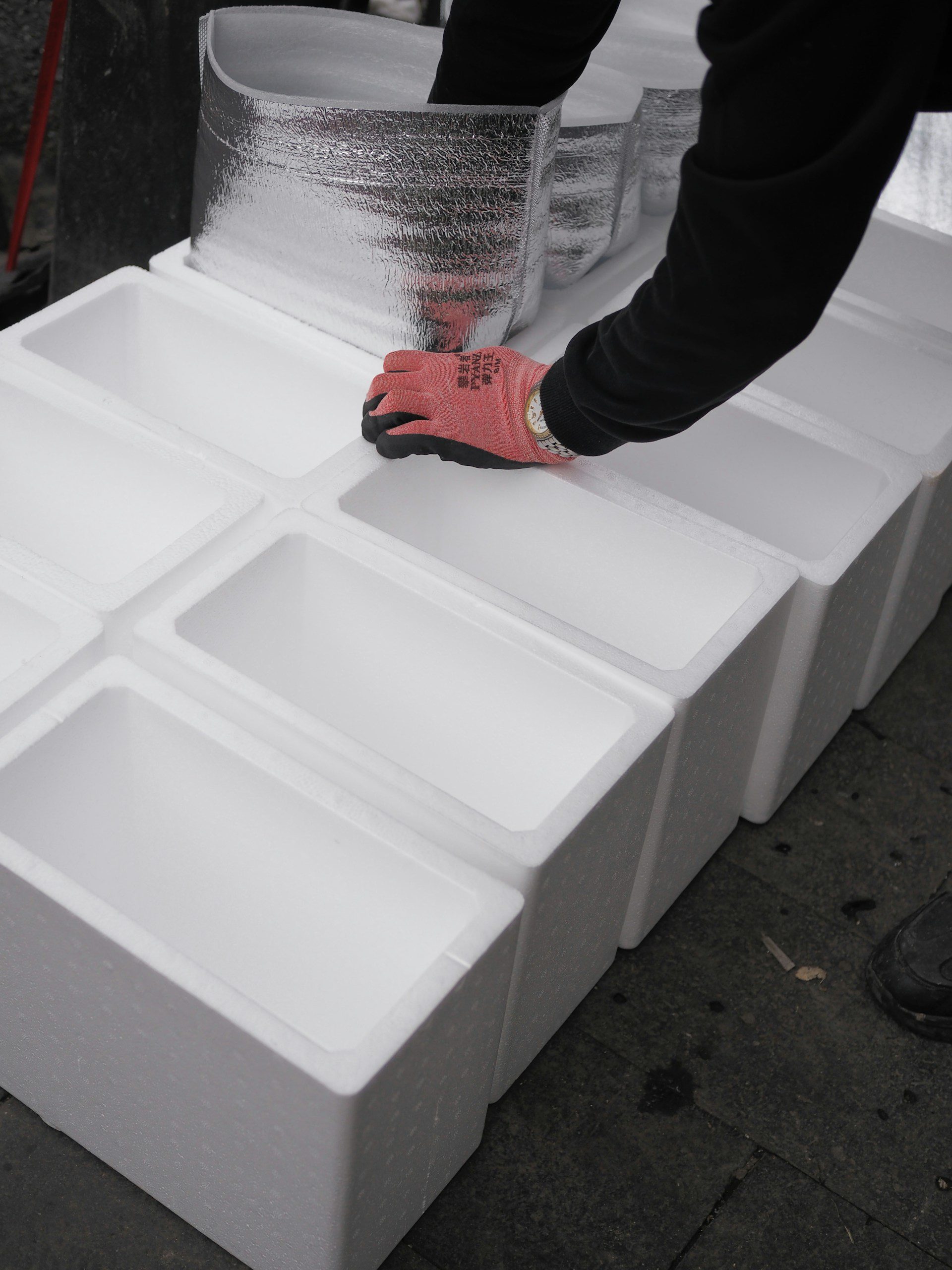
It’s easy to overlook logistics until something goes wrong—a delayed shipment, damaged goods, or spoilage. But when it comes to medical and food products, the stakes are incredibly high. Products like vaccines, medicines, fresh produce, or dairy require precise handling: temperature-controlled environments, timely deliveries, and secure storage facilities. Any slip can lead to wastage, compromised product integrity, or worse, risks to public health.
In a country like Saudi Arabia, where vast distances and diverse climate conditions pose logistical challenges, reliable transportation is non-negotiable. That’s where companies like Rabiyah Logistics step in, delivering solutions designed specifically to meet these exacting standards. Their expertise ensures that medicines remain potent from manufacturer to pharmacy shelves, and perishables arrive fresh, preserving both safety and nutritional quality.
What Sets Rabiyah Logistics Apart?
It’s not just about trucks and warehouses—though Rabiyah certainly has those covered with state-of-the-art facilities and a fleet equipped for cold chain management. What truly makes a difference is their commitment to integration and transparency. Real-time tracking, proactive communication, and compliance with Saudi regulatory frameworks give clients peace of mind. Plus, their tailored approach accommodates the unique needs of both food and medical distribution, recognizing that these sectors can’t be treated with a one-size-fits-all mindset.
We often hear that logistics is “just moving boxes,” but with medical and food products, it’s much more like safeguarding lives and well-being. Attention to detail, rigorous protocols, and reliable partners turn an ordinary supply chain into a vital lifeline.
Tips for Businesses Working with Medical and Food Distributors
- Prioritize Partners with Proven Cold Chain Capabilities: Temperature-sensitive items demand controlled environments throughout transit and storage.
- Look for Real-Time Visibility: Knowing where your shipment is at any moment helps anticipate and solve issues before they escalate.
- Ask About Regulatory Compliance: Make sure your logistics provider understands local import/export laws, certifications, and health guidelines.
- Communicate Needs Clearly: Each product may have unique handling or timing requirements—collaboration is key.
With these in mind, it’s clear why Rabiyah Logistics continues to build trust as a backbone for distributors who simply cannot afford delays or mistakes.
Looking Ahead
As Saudi Arabia’s medical and food sectors evolve, the role of logistics will only grow in complexity and importance. Innovations like IoT-enabled tracking and sustainable transport solutions promise exciting developments, and companies willing to embrace these changes will lead the way.
Thanks for joining me in unpacking this critical, yet often unseen, part of the supply chain puzzle. Next week, we’ll explore how technology is transforming warehouse management for faster and smarter distribution. Until then, keep curious—and here’s to smooth journeys for all your goods!