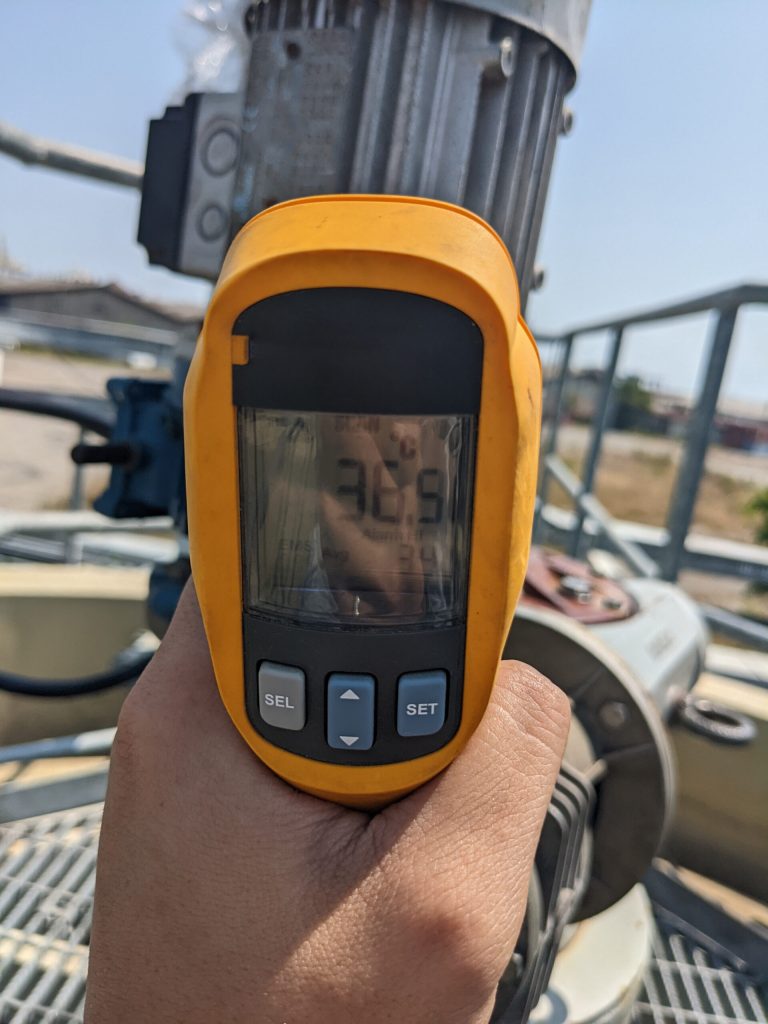
As healthcare supply chains become increasingly complex, maintaining product quality throughout storage and transportation has never been more important. A reliable temperature monitoring system plays a vital role in protecting temperature-sensitive medical products and ensuring they remain safe and effective until they reach their final destination.
From pharmaceuticals and vaccines to injectable medications and diagnostic materials, healthcare products often require strict environmental controls. Therefore, healthcare organizations are increasingly investing in advanced monitoring technologies that provide real-time visibility, strengthen cold chain tracking, and support safer medical logistics.
In Saudi Arabia’s rapidly evolving healthcare sector, temperature monitoring technology is no longer considered an added advantage. Instead, it has become an essential component of operational excellence, regulatory readiness, and customer confidence.
Why Temperature Monitoring Systems Matter in Medical Logistics
A temperature monitoring system continuously tracks environmental conditions throughout the healthcare supply chain. Unlike manual checks performed at fixed intervals, modern monitoring technologies provide real-time data that allows organizations to identify and address potential issues immediately.
As a result, businesses can better protect sensitive products while minimizing operational risks.
Products that commonly depend on temperature monitoring include:
- Vaccines and immunization products.
- Injectable medications.
- Biological materials.
- Diagnostic reagents.
- Certain medical devices.
- Temperature-sensitive pharmaceutical products.
Moreover, maintaining appropriate conditions helps healthcare organizations preserve product integrity and support patient safety.
How Temperature Monitoring Technology Works
Modern temperature monitoring systems use connected sensors strategically placed throughout warehouses, cold rooms, and transportation vehicles.
These technologies continuously collect and transmit data related to environmental conditions.
Typical system capabilities include:
- Continuous temperature recording.
- Automated alerts and notifications.
- Historical reporting and documentation.
- Remote access to monitoring dashboards.
- Real-time visibility across locations.
- Data storage for quality reviews and audits.
Furthermore, many systems can integrate with broader logistics platforms, creating a more connected and responsive supply chain.
The Role of Cold Chain Tracking in Product Protection
Effective cold chain tracking allows healthcare organizations to monitor products throughout their journey rather than only at specific checkpoints.
Consequently, companies gain greater visibility into storage and transportation conditions from origin to destination.
Early Detection of Temperature Excursions
One of the greatest advantages of cold chain tracking is the ability to identify deviations immediately.
Instead of discovering problems after products have already been compromised, teams can intervene quickly and implement corrective actions.
Reduced Product Losses
Temperature excursions often lead to quarantined inventory or product disposal. However, real-time monitoring enables organizations to reduce unnecessary waste by responding before conditions worsen.
Improved Decision-Making
Additionally, access to accurate data allows managers to identify trends, evaluate operational performance, and implement improvements that strengthen supply chain reliability.
Enhancing Visibility Through Medical Logistics Technology
Visibility has become one of the most valuable assets in modern supply chains.
Medical logistics technology enables organizations to move beyond reactive management and adopt a proactive approach to risk management.
Benefits of enhanced logistics visibility include:
- Greater confidence in product handling.
- Faster response to unexpected events.
- Improved coordination between stakeholders.
- Better communication with clients and partners.
- Increased transparency across operations.
Furthermore, clients increasingly expect access to information that demonstrates how their products are being protected throughout the logistics process.
Supporting Compliance and Quality Assurance
Healthcare organizations operate within highly regulated environments where maintaining product quality is essential.
Therefore, temperature monitoring systems support quality assurance efforts by providing documented evidence of environmental control.
These records can assist organizations in:
- Demonstrating adherence to storage requirements.
- Supporting internal quality reviews.
- Preparing for audits and inspections.
- Investigating incidents effectively.
- Strengthening overall quality management systems.
As regulatory expectations continue to evolve, technology-driven monitoring helps organizations remain prepared and responsive.
Why Choosing the Right Logistics Partner Matters
Implementing advanced monitoring technologies requires expertise, validated processes, and a strong commitment to quality.
Rabiyah Logistics provides specialized logistics solutions designed to support healthcare organizations throughout Saudi Arabia. By incorporating modern temperature monitoring practices and emphasizing operational visibility, Rabiyah Logistics helps clients protect sensitive products and improve confidence across their supply chains.
Through reliable storage, transportation, and monitoring processes, businesses can better safeguard their products while enhancing service quality.
[su_button url=”https://api.whatsapp.com/send/?phone=966540467689&text&type=phone_number&app_absent=0″ target=”blank” style=”stroked” background=”#007d8c” color=”#ffffff” size=”7″ text_shadow=”0px 0px 0px #000000″]Start Secure Storage with Rabiyah[/su_button]
Conclusion
A robust temperature monitoring system is no longer a luxury in healthcare logistics. It is a critical tool that supports product safety, strengthens cold chain tracking, and delivers the visibility organizations need to manage increasingly complex supply chains.
As Saudi Arabia’s healthcare sector continues to grow, businesses that invest in medical logistics technology will be better positioned to reduce risks, improve compliance readiness, and build stronger relationships with their clients.
Ultimately, effective temperature monitoring is about more than collecting data—it is about protecting the products that healthcare providers and patients rely on every day.