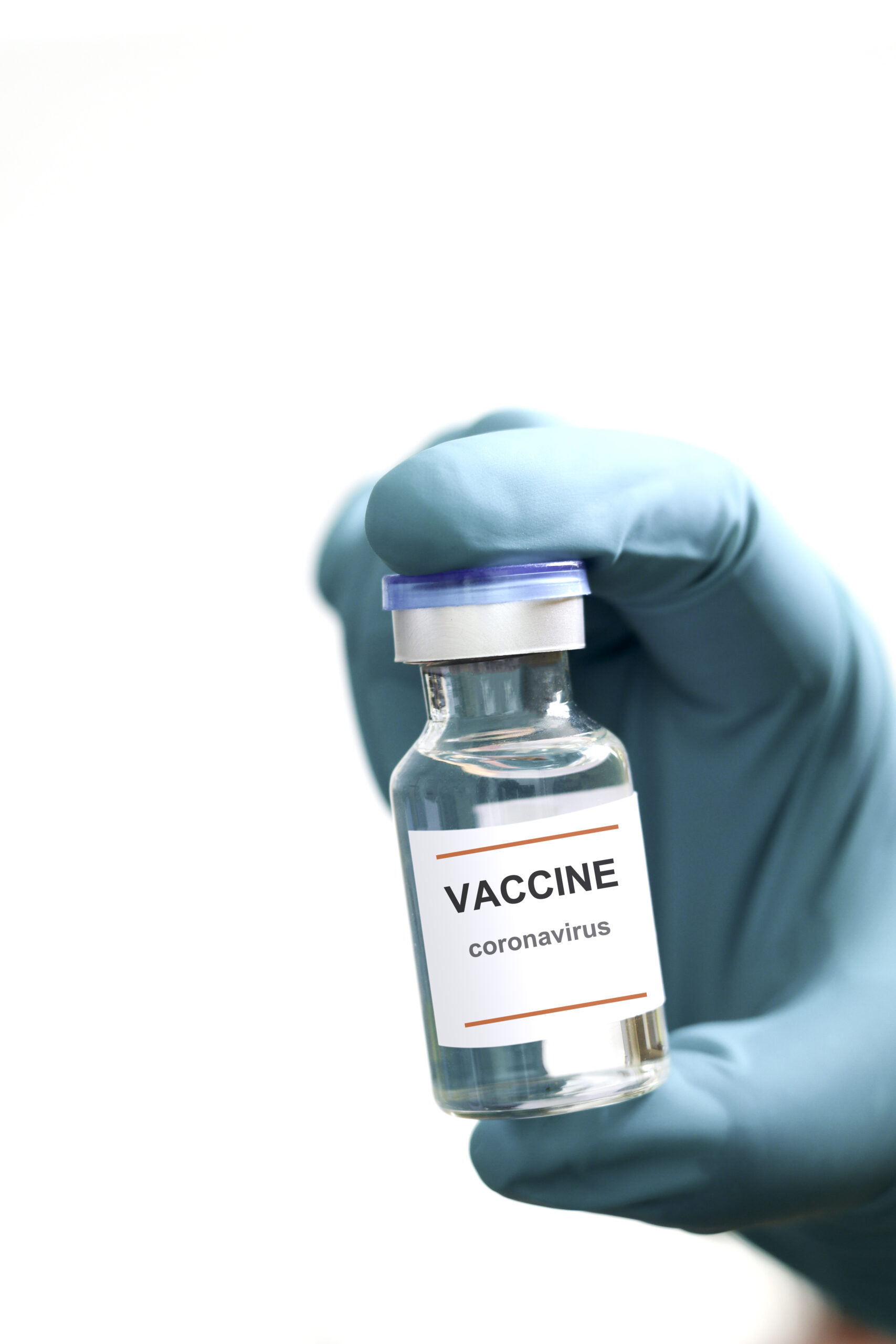
Vaccine Cold Storage: What Companies Should Ask Before Choosing a Warehouse
Choosing the right vaccine cold storage provider is one of the most important decisions pharmaceutical and healthcare companies can make. Vaccines and injectable products are highly sensitive to temperature fluctuations, and even minor deviations can compromise their effectiveness, safety, and quality. Therefore, selecting a warehouse with the right capabilities is essential for protecting products, maintaining compliance, and safeguarding patient health.
As Saudi Arabia’s healthcare sector continues to expand, organizations increasingly rely on specialized cold chain partners to manage temperature-sensitive products. However, not all cold storage facilities offer the same level of expertise and operational standards. Asking the right questions before committing to a logistics provider can help companies make informed decisions and avoid costly mistakes.
Why Vaccine Cold Storage Matters
Vaccines and injectable products require strict temperature control throughout storage and distribution. Unlike many other healthcare products, these items can lose their effectiveness if exposed to temperatures outside approved ranges.
As a result, vaccine cold storage is not simply about refrigeration. Instead, it involves maintaining a fully controlled environment supported by trained personnel, continuous monitoring systems, and clearly defined procedures.
Products commonly requiring specialized cold storage include:
- Vaccines.
- Injectable medications.
- Biological products.
- Temperature-sensitive pharmaceutical products.
- Certain specialty healthcare treatments.
Moreover, maintaining the integrity of these products directly contributes to patient safety and public confidence in healthcare systems.
Questions to Ask Before Choosing a Vaccine Cold Storage Provider
Selecting the right cold chain warehouse begins with asking the right questions. The answers can reveal whether a provider has the expertise and infrastructure necessary to support your business.
Does the Warehouse Have Temperature-Controlled Infrastructure?
First and foremost, companies should evaluate whether the facility is specifically designed for vaccine cold storage. Reliable warehouses should have validated cooling systems capable of maintaining stable temperatures around the clock.
Additionally, backup power systems should be in place to protect products during unexpected outages or technical failures.
How Is Temperature Monitoring Managed?
Continuous temperature monitoring is essential for maintaining product quality. Therefore, organizations should ask how frequently temperatures are recorded and whether automated monitoring systems are used.
Real-time alerts and comprehensive reporting capabilities provide greater visibility and allow rapid responses to potential issues before products are affected.
Are Employees Trained in Cold Chain Handling?
Even the most advanced facility depends on knowledgeable staff. Consequently, warehouse personnel should receive regular training on handling temperature-sensitive products, documentation requirements, and emergency procedures.
Proper staff training significantly reduces the risk of human error and supports operational consistency.
What Emergency Procedures Are in Place?
Unexpected situations can occur at any time. Therefore, it is important to understand how the warehouse responds to equipment failures, temperature excursions, or power interruptions.
Providers with documented contingency plans and established escalation procedures are better equipped to minimize disruptions and protect inventory.
How Injectable Warehousing Supports Product Safety
Injectable products often require additional attention due to their direct impact on patient care. Because these products may be highly sensitive to environmental conditions, injectable warehousing must prioritize precision and consistency.
For example, maintaining strict temperature controls helps preserve product stability throughout storage. Furthermore, organized inventory management reduces handling errors and supports accurate stock rotation practices.
By implementing robust cold chain processes, healthcare organizations can minimize product waste while improving supply chain efficiency.
Signs of a Reliable Vaccine Cold Storage Partner
Choosing a logistics provider should involve more than comparing prices. Instead, companies should assess whether a provider demonstrates the capabilities necessary to support healthcare operations effectively.
A reliable vaccine cold storage partner should offer:
- Specialized temperature-controlled facilities.
- Continuous environmental monitoring.
- Backup systems and emergency preparedness plans.
- Experienced and trained personnel.
- Comprehensive documentation and reporting.
- Proven experience supporting healthcare and pharmaceutical organizations.
In addition, providers that understand local regulatory expectations can help clients maintain operational confidence and reduce compliance risks.
Why the Right Logistics Partner Matters
An experienced logistics provider becomes an extension of your healthcare operation. Beyond storage capacity, the right partner contributes expertise, reliability, and operational excellence.
Rabiyah Logistics provides specialized warehousing and logistics solutions designed to support pharmaceutical and healthcare organizations throughout Saudi Arabia. Through quality-driven processes and a commitment to operational standards, Rabiyah Logistics helps clients protect temperature-sensitive products while maintaining supply chain efficiency.
Start Secure Storage with Rabiyah
Conclusion
Vaccine cold storage is a critical component of modern healthcare logistics. Choosing the right warehouse requires careful evaluation of infrastructure, monitoring systems, employee expertise, and emergency preparedness.
By asking the right questions before selecting a provider, pharmaceutical companies and healthcare suppliers can reduce operational risks, protect product quality, and strengthen patient safety outcomes.
As the demand for temperature-sensitive healthcare products continues to grow across Saudi Arabia, partnering with a trusted cold chain specialist can provide the confidence and support organizations need to succeed in an increasingly complex healthcare environment.